Best Residential Areas in Dubai (Updated for 2026)


Dubai is not a city you can easily navigate without a plan. Traffic, commute times, proximity to schools, and community culture vary drastically from one area to the next. A 20-minute drive in the wrong direction during rush hour can feel like an hour. Living in the right neighborhood saves you time, money, and stress — every single day.
Dubai's residential real estate market has been on an upward trajectory for 22 consecutive quarters. Rental prices rose 13% year-on-year in 2025, with the city's population nearing 3.92 million residents. Despite this, Dubai still offers exceptional value compared to global peers — you get roughly 2–3x more living space per dollar than in Singapore or Hong Kong.
How to Choose the Right Area in Dubai
Before diving into specific neighborhoods, ask yourself these five questions:
- Where do you work? Commute is the #1 factor most people regret overlooking.
- Do you have children? Proximity to international schools matters enormously.
- What's your budget? Rents vary from AED 35,000/year in budget areas to AED 500,000+ in ultra-luxury communities.
- Do you prefer urban or suburban living? Dubai offers both extremes and everything in between.
- Are you renting or buying? Some areas offer better rental yields; others are better for long-term capital appreciation.
Best Residential Areas in Dubai: Quick Comparison
The 12 Best Residential Areas in Dubai
1. Downtown Dubai — Best for Urban Professionals
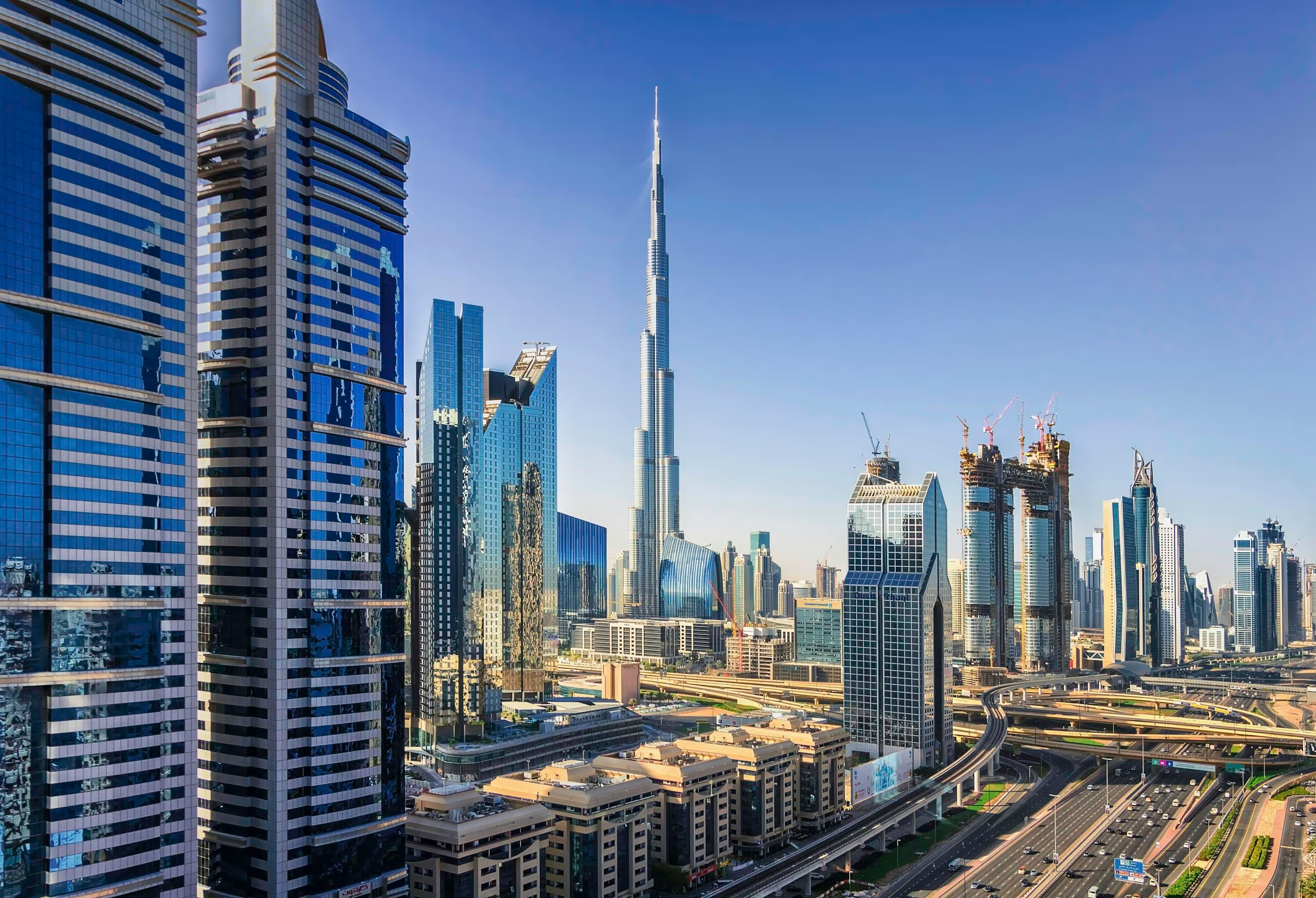
Downtown Dubai is the heartbeat of the city — home to the Burj Khalifa, Dubai Mall, and the Dubai Fountain. It offers everything within walking distance: fine dining, entertainment, world-class retail, and a buzzing social scene.
Who it's for: Professionals who want to be at the center of it all, without sacrificing convenience for prestige.
What makes it stand out:
- Direct metro access (Dubai Mall/Burj Khalifa Metro Station)
- Walking distance to DIFC (Dubai's financial district)
- Iconic city views from most apartments
- One of the most walkable neighborhoods in Dubai
The trade-off: It's expensive. Tourist traffic can make the area feel crowded, especially on weekends. Parking is limited and costly.
Average Rents (2025–2026):
- Studio: AED 75,000–100,000/year
- 1-Bedroom: AED 110,000–160,000/year
- 2-Bedroom: AED 180,000–260,000/year
Best for: Finance professionals, DIFC workers, those who prioritize lifestyle over space.
2. Dubai Marina — Best for Expats and Young Professionals
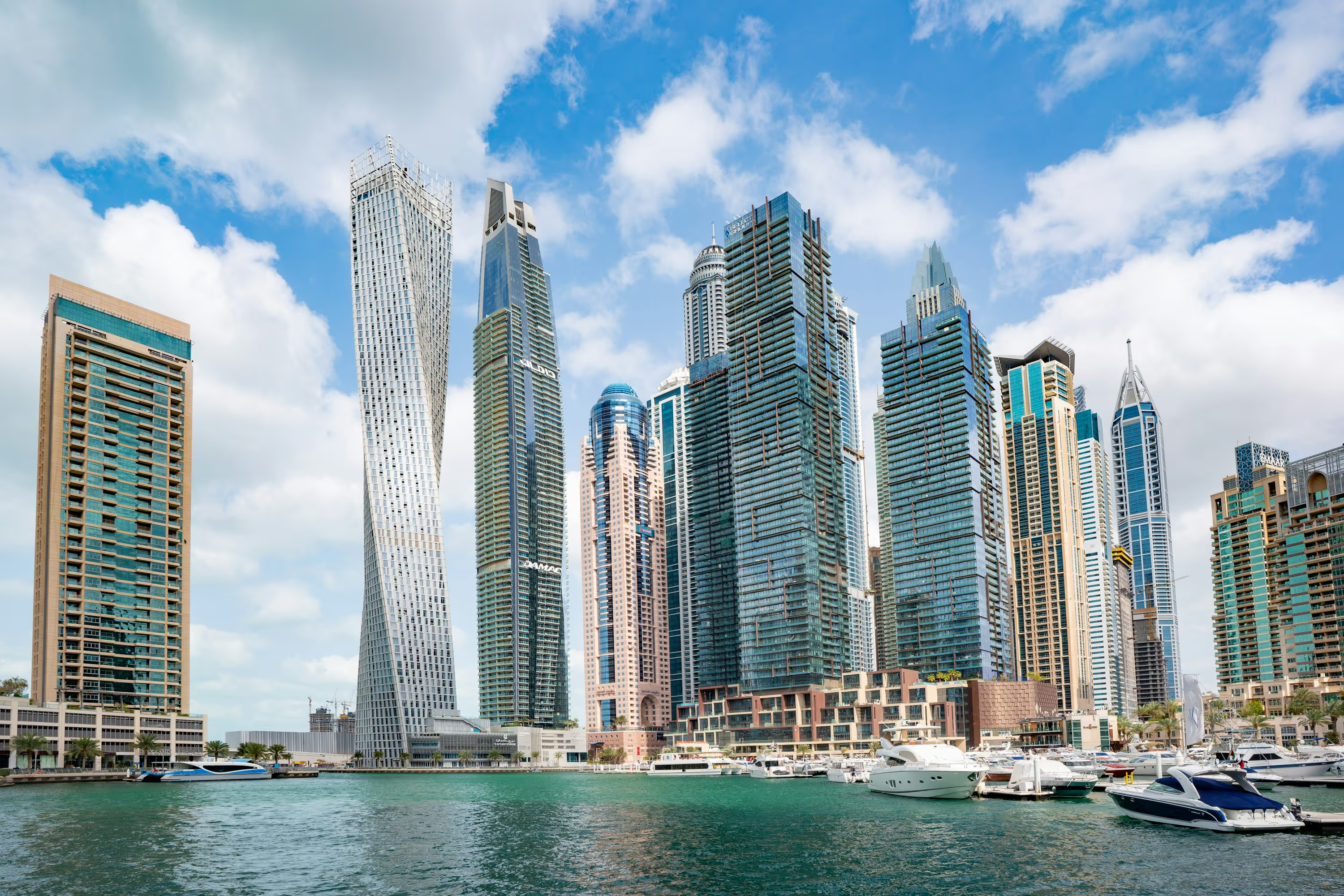
Dubai Marina is consistently ranked among the most popular residential areas in Dubai — and for good reason. A 3.5 km waterfront community lined with skyscrapers, restaurants, cafés, and a stunning marina walk, it delivers a cosmopolitan lifestyle that's hard to match.
Who it's for: Young professionals, couples, and expats who want a vibrant social life with easy beach access.
What makes it stand out:
- The 7 km Marina Walk is one of Dubai's best lifestyle assets
- Highest restaurant density of any neighborhood in Dubai
- Close to JBR Beach (most popular public beach in Dubai)
- Two metro stations (DMCC and Sobha Realty)
- Rental yields of 6–8% make it a strong investment
The trade-off: It's a tourist hotspot, which means many landlords prefer short-term rentals, driving up long-term lease prices. Traffic on Sheikh Zayed Road at peak hours can be brutal.
Average Rents (2025–2026):
- Studio: AED 60,000–90,000/year
- 1-Bedroom: AED 90,000–130,000/year
- 2-Bedroom: AED 144,000–200,000/year
Best for: Single expats, couples, anyone who values lifestyle, beach access, and social energy.
3. Dubai Hills Estate — Best for Families

If you're moving to Dubai with children, Dubai Hills Estate should be at the top of your list. Developed by Emaar, this master-planned community blends green spaces, top-tier schools, a championship golf course, and a world-class mall — all within one thoughtfully designed neighborhood.
Who it's for: Families who want space, greenery, and excellent schools without sacrificing urban convenience.
What makes it stand out:
- GEMS Founders School, King's College Hospital London, and multiple top-rated nurseries within the community
- 18-hole championship golf course
- Dubai Hills Mall with 600+ shops and dining options
- Expansive Central Park with jogging, cycling tracks, and yoga gardens
- Views of the Burj Khalifa and Burj Al Arab from many properties
The trade-off: No metro access (car is essential). Newer community means some areas are still under development.
Average Rents (2025–2026):
- 1-Bedroom Apartment: AED 90,000–130,000/year
- 2-Bedroom Apartment: AED 140,000–190,000/year
- 3-Bedroom Villa: AED 220,000–320,000/year
Best for: Families with school-going children, professionals who prefer suburban luxury.
4. Palm Jumeirah — Best for Luxury Living
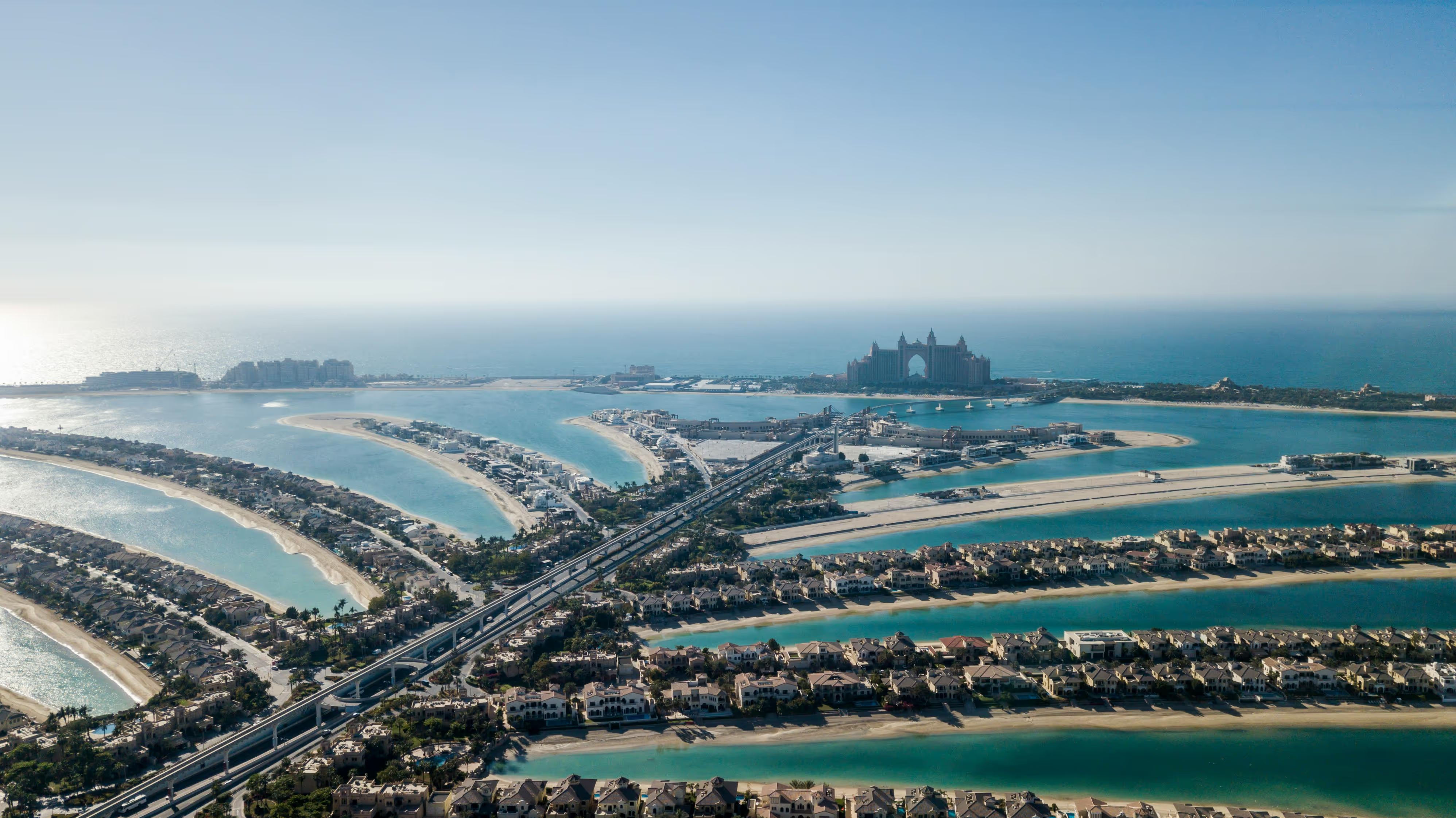
There is no other address in Dubai quite like Palm Jumeirah. This iconic man-made island shaped like a palm tree is home to some of the world's most expensive real estate — and the lifestyle to match. Private beaches, Michelin-starred restaurants, five-star hotels, and a level of exclusivity that few communities anywhere in the world can rival.
Who it's for: High-net-worth individuals, celebrities, and those who want the ultimate Dubai experience.
What makes it stand out:
- Private beach access for residents
- World-class hospitality: Atlantis, Waldorf Astoria, One&Only, Jumeirah Zabeel Saray
- The Pointe and Nakheel Mall for dining and retail
- Property prices have surged 40% since 2020, making it a strong long-term investment
- Monorail connection to Dubai Marina
The trade-off: Very expensive. Limited public transport. Can feel isolated from the rest of the city.
Average Rents (2025–2026):
- 1-Bedroom Apartment: AED 140,000–220,000/year
- 2-Bedroom Apartment: AED 200,000–350,000/year
- Villa: AED 500,000–1,200,000+/year
Best for: Luxury buyers, investors seeking premium capital appreciation, those who value privacy and prestige.
5. Jumeirah Village Circle (JVC) — Best Budget-Friendly Area
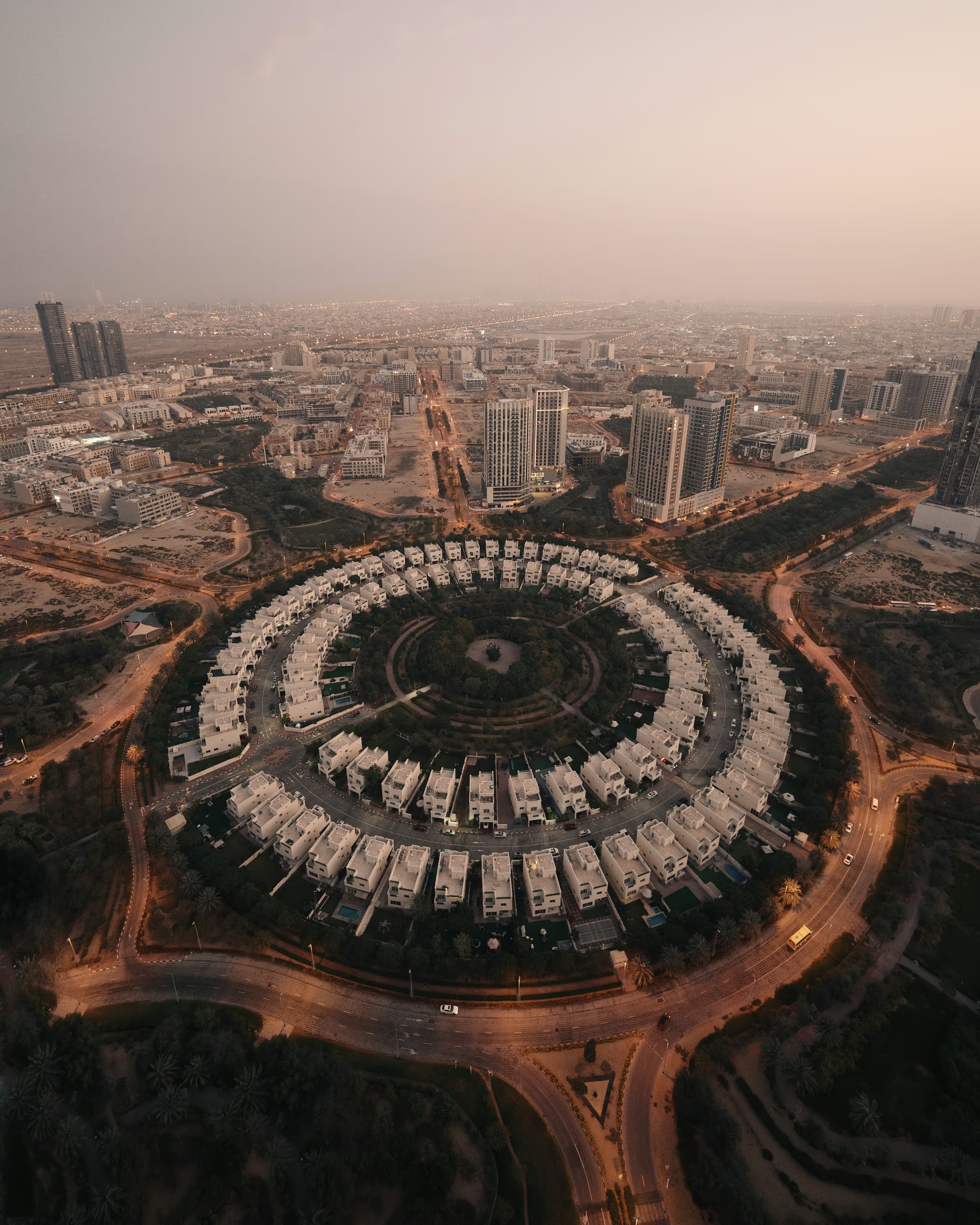
JVC has transformed from desert into one of Dubai's most in-demand residential communities in under a decade. It offers a rare combination: affordability, community feel, and excellent infrastructure — all within easy reach of major highways.
Who it's for: Young families, first-time renters, budget-conscious professionals who don't want to compromise on quality.
What makes it stand out:
- Among the most affordable areas with modern amenities
- Family parks, jogging tracks, basketball courts, and playgrounds
- Every building typically has grocery stores, cafés, and retail
- Close proximity to Al Khail Road and Sheikh Mohammed Bin Zayed Road
- Consistently one of the fastest-growing communities in Dubai
The trade-off: No metro access. Still developing — some areas feel incomplete. Can get congested on exits during rush hour.
Average Rents (2025–2026):
- Studio: AED 38,000–55,000/year
- 1-Bedroom: AED 55,000–80,000/year
- 2-Bedroom: AED 80,000–115,000/year
Best for: Young professionals, small families, those prioritizing value for money.
6. Arabian Ranches — Best Gated Villa Community
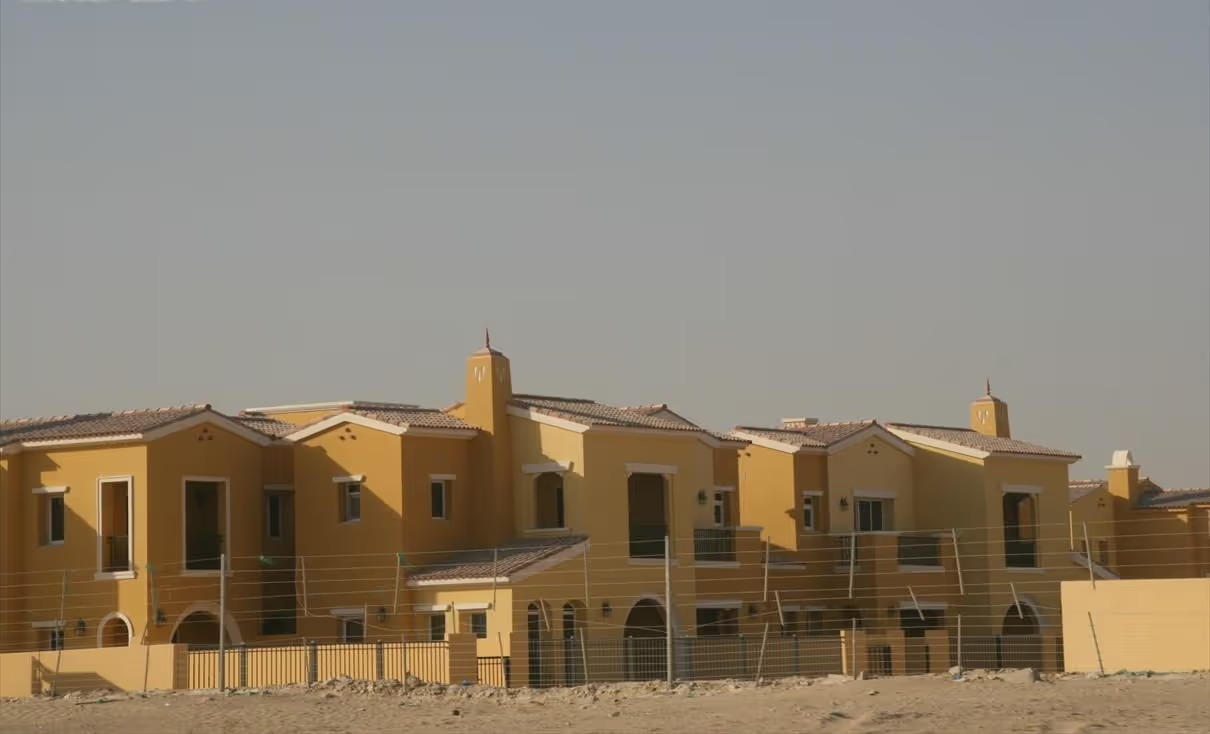
Arabian Ranches is the gold standard for suburban family living in Dubai. A fully gated community developed by Emaar, it offers spacious villas, lush green streets, and a genuine sense of neighbourhood community that's rare in a city as fast-paced as Dubai.
Who it's for: Families seeking space, privacy, and a safe, quiet environment away from the city's hustle.
What makes it stand out:
- Renowned international schools: JESS Arabian Ranches, Dubai British School, Ranches Primary
- Community centers, retail, pools, parks, and sports facilities
- Golf course within the community
- Very low traffic — private, peaceful streets
- Strong sense of community among long-term residents
The trade-off: Located ~30 minutes from Downtown. A car is absolutely essential. Higher villa prices compared to newer communities.
Average Rents (2025–2026):
- 3-Bedroom Villa: AED 180,000–240,000/year
- 4-Bedroom Villa: AED 230,000–300,000/year
- 5-Bedroom Villa: AED 280,000–400,000/year
Best for: Families who prioritize safety, space, and a suburban lifestyle.
7. Business Bay — Best for Professionals and Investors
Business Bay sits right next to Downtown Dubai and has evolved into one of the most dynamic mixed-use districts in the city. The Dubai Canal runs through it, offering waterfront walks and views that were unimaginable a decade ago.
Who it's for: Executives, entrepreneurs, and young professionals who want central living at a slightly lower cost than Downtown.
What makes it stand out:
- Walking distance to Downtown Dubai and DIFC
- Direct metro access (Business Bay Metro Station)
- Dubai Canal waterfront promenade
- Rapidly improving restaurant and lifestyle scene
- Strong rental yields for investors
The trade-off: Still heavily commercial in parts — weekdays are buzzing but weekends can feel quieter. Traffic towards Downtown can be heavy.
Average Rents (2025–2026):
- Studio: AED 60,000–80,000/year
- 1-Bedroom: AED 85,000–120,000/year
- 2-Bedroom: AED 130,000–180,000/year
Best for: Professionals working in Downtown or DIFC, investors seeking high rental demand.
8. Jumeirah Lake Towers (JLT) — Best Alternative to Dubai Marina
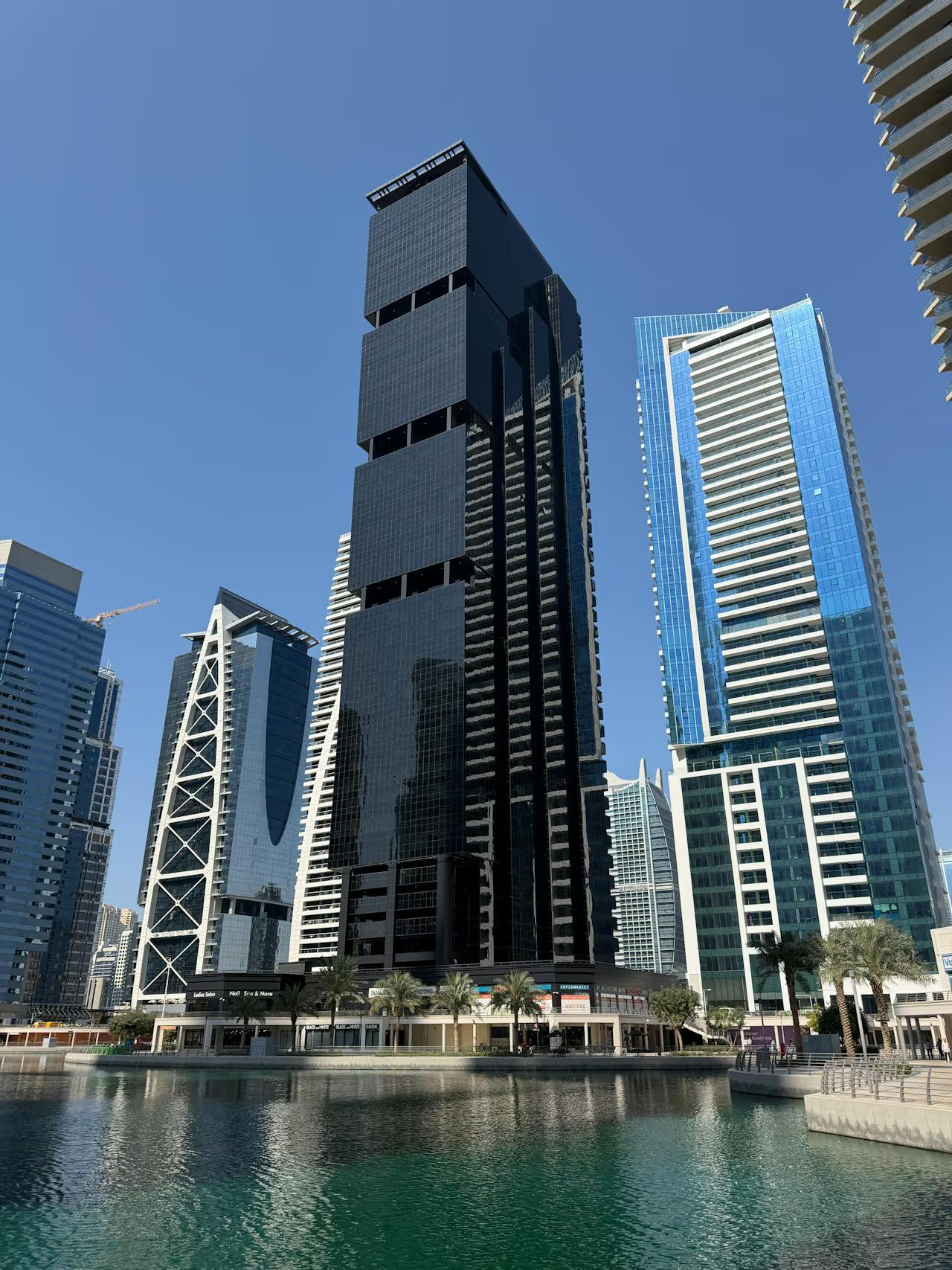
JLT often flies under the radar, but it's one of the smartest choices in Dubai. Offering a lifestyle very similar to Dubai Marina — towers, restaurants, lakeside walks — but at meaningfully lower prices and with a calmer pace.
Who it's for: Professionals and families who want the Marina lifestyle without the Marina price tag.
What makes it stand out:
- Two metro stations (DMCC Metro)
- Beautiful lake views and walkable waterfront promenades
- Excellent dining and café scene at ground level
- Growing expat community — diverse and welcoming
- JLT Free Zone attracts many international businesses
The trade-off: Can be noisy near the JLT clusters. Some older towers lack modern finishing.
Average Rents (2025–2026):
- Studio: AED 45,000–65,000/year
- 1-Bedroom: AED 60,000–90,000/year
- 2-Bedroom: AED 90,000–130,000/year
Best for: Professionals, expat singles and couples seeking a social lifestyle at a reasonable price.
9. Al Barsha — Best for Practical Family Living

Al Barsha is one of Dubai's most established and well-connected residential neighborhoods. Located near the Mall of the Emirates, it offers a great balance of practicality, affordability, and diversity.
Who it's for: Families and professionals who prioritize convenience, accessibility, and value.
What makes it stand out:
- Mall of the Emirates (with Ski Dubai) on the doorstep
- Metro access via Mall of the Emirates station
- Wide variety of schools, hospitals, and supermarkets
- Very diverse community — popular with a wide range of nationalities
- Reasonable rents for the level of amenities
The trade-off: Not as glamorous or scenic as Marina or Downtown. Traffic around the mall area can be heavy.
Average Rents (2025–2026):
- 1-Bedroom: AED 65,000–95,000/year
- 2-Bedroom: AED 95,000–135,000/year
- 3-Bedroom: AED 130,000–180,000/year
Best for: Families who want a practical, well-serviced neighborhood without a premium price.
10. Dubai Creek Harbour — Best Emerging Area
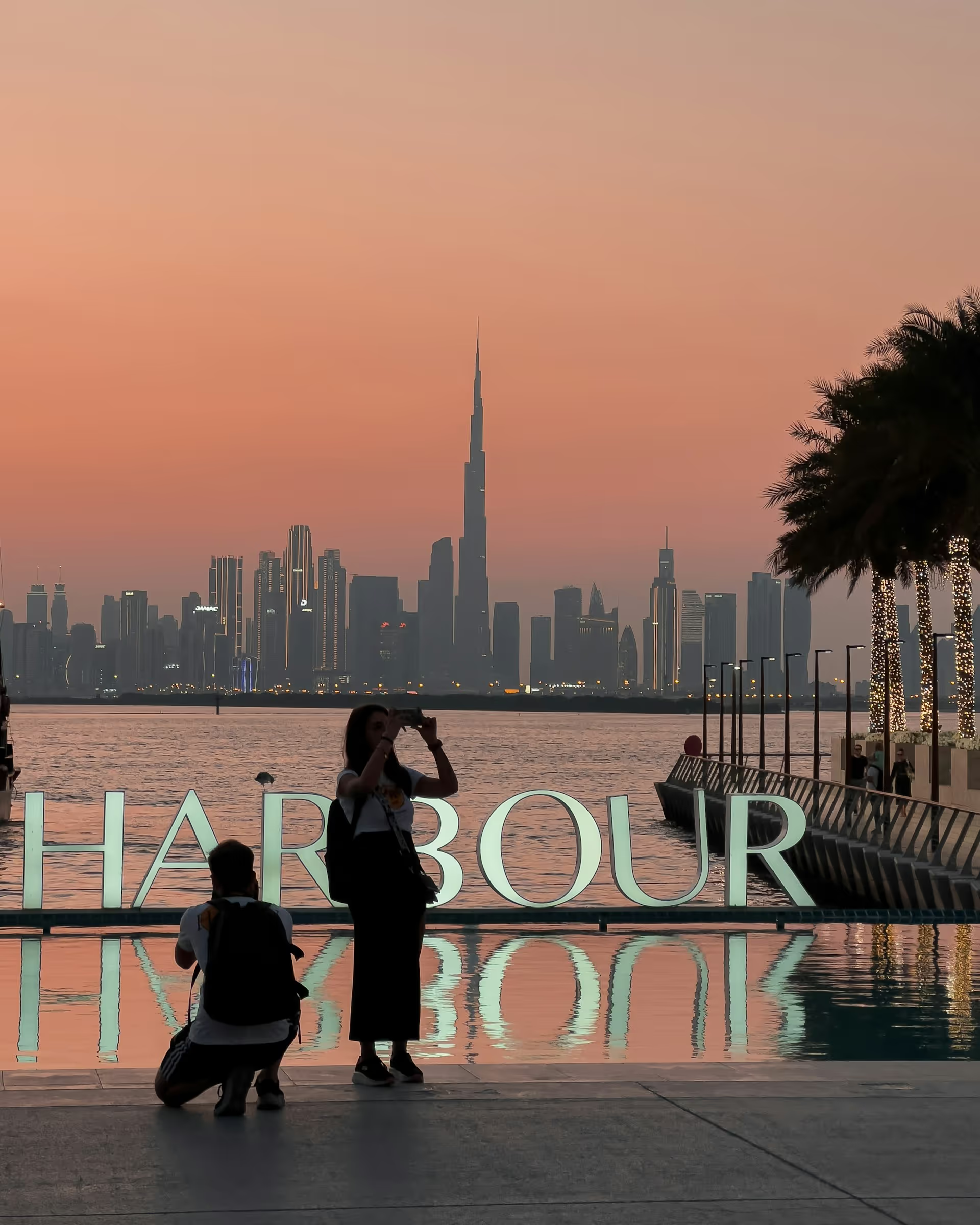
Dubai Creek Harbour is the most exciting new residential community in Dubai right now. Developed by Emaar, this waterfront development overlooks Dubai Creek and the Burj Khalifa skyline, and is set to become home to the Dubai Creek Tower — poised to be the tallest tower in the world.
Who it's for: Forward-thinking investors and residents who want to get into a premium area before prices fully peak.
What makes it stand out:
- Stunning waterfront views of Dubai Creek and the city skyline
- Master-planned with retail, restaurants, marina, golf club, and green spaces
- Strong off-plan investment opportunity with price appreciation potential
- Just 10 minutes from Downtown Dubai
The trade-off: Still developing — not all amenities are fully operational yet. Limited public transport for now.
Average Rents (2025–2026):
- 1-Bedroom: AED 90,000–130,000/year
- 2-Bedroom: AED 130,000–180,000/year
Best for: Investors, young professionals, and those who want waterfront living with future upside.
11. Mirdif — Best for Traditional and Budget-Conscious Families
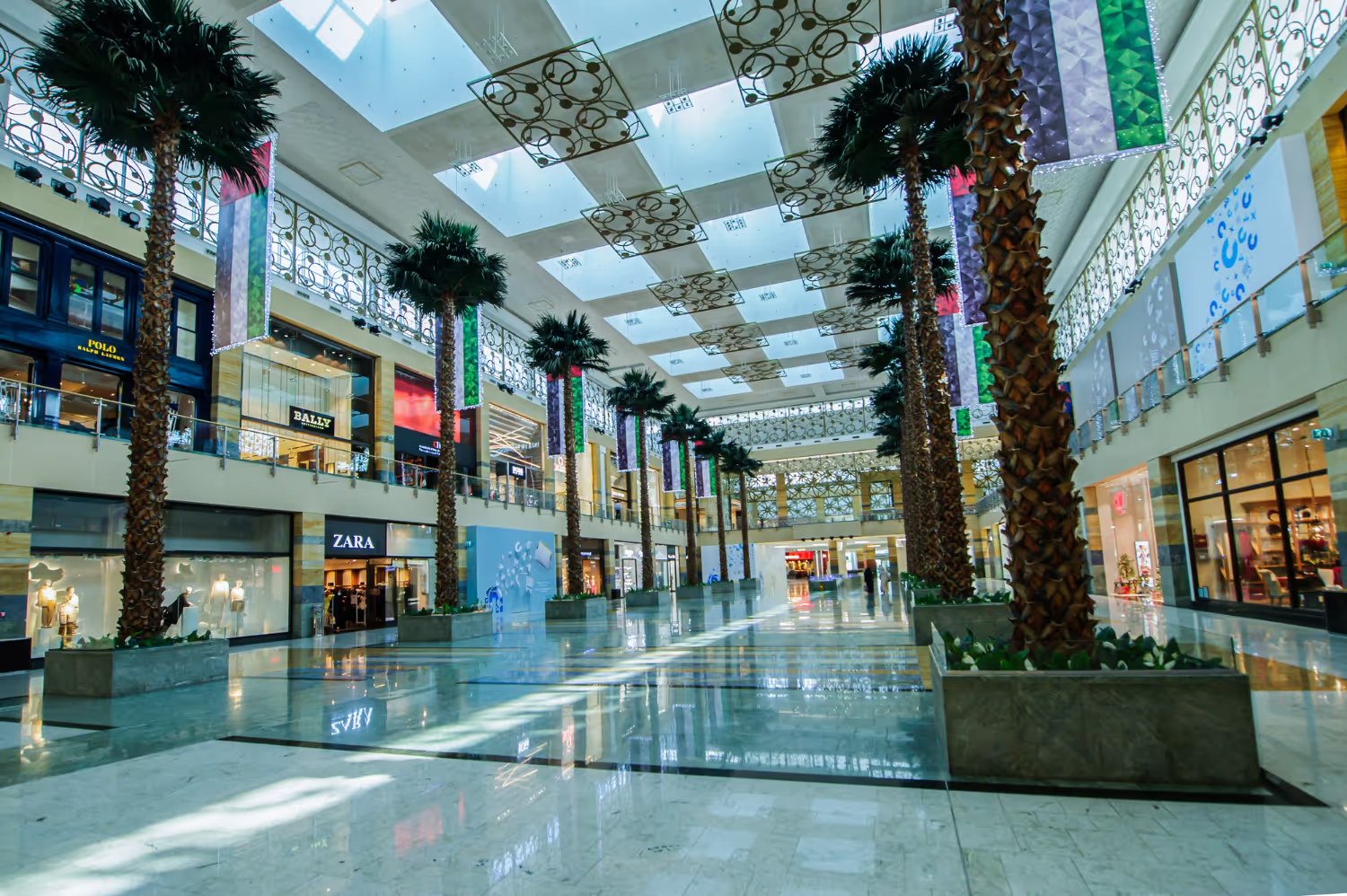
Mirdif offers something rare in Dubai: a quieter, more traditional residential experience away from the tourist trail. It's a favourite among families who've lived in Dubai for years and value stability, community, and space.
Who it's for: Long-term residents, families who prefer a local neighbourhood feel over a resort-style development.
What makes it stand out:
- Mushrif Park — one of Dubai's largest green parks — is nearby
- Close to Dubai International Airport (great for frequent flyers)
- City Centre Mirdif mall on the doorstep
- Strong mix of expat and Emirati residents
- Very family-friendly with low-rise buildings and quieter streets
The trade-off: Far from the Marina/Downtown corridor. No metro access. Can feel disconnected from Dubai's modern lifestyle scene.
Average Rents (2025–2026):
- 1-Bedroom: AED 55,000–75,000/year
- 2-Bedroom: AED 75,000–100,000/year
- 3-Bedroom Villa: AED 130,000–180,000/year
Best for: Families seeking a quiet, affordable, community-oriented lifestyle.
12. Emirates Hills — Best Ultra-Luxury Villa Community
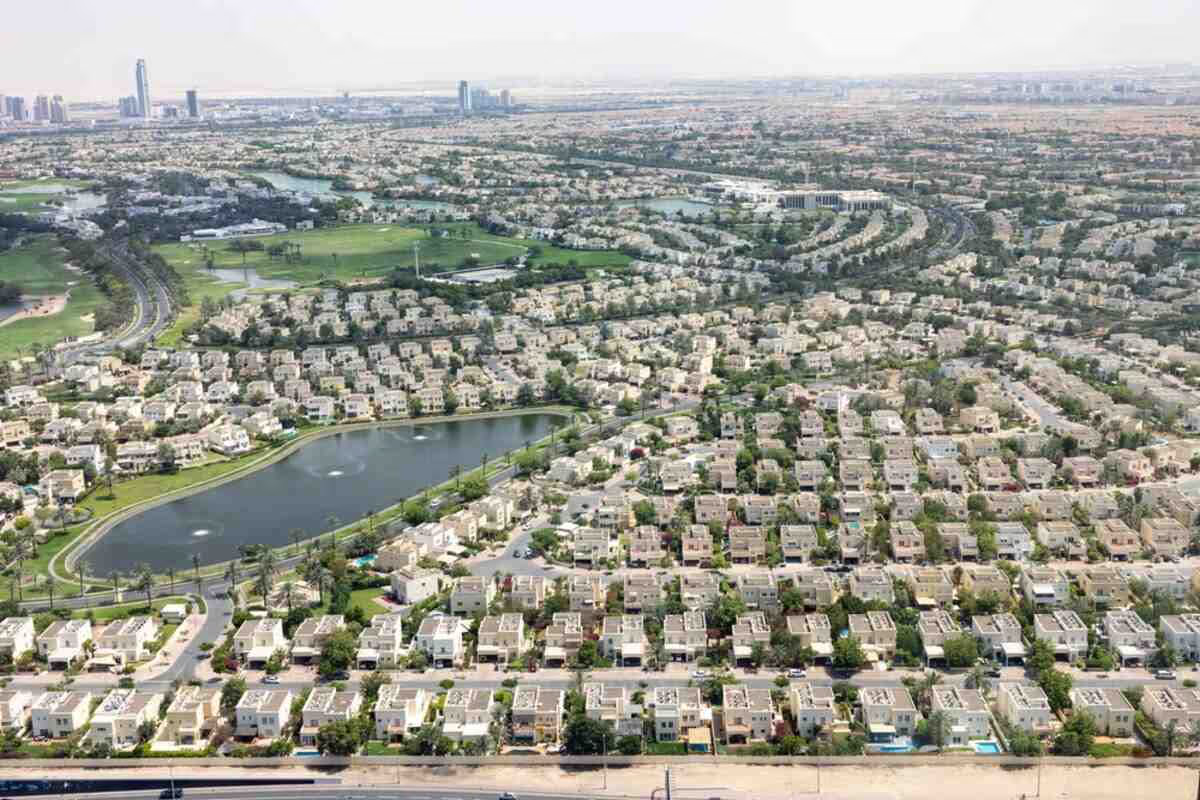
Nicknamed the "Beverly Hills of Dubai," Emirates Hills is the most prestigious villa address in the city. A gated community of sprawling mansions set around a championship golf course, it is home to CEOs, royalty, and some of the wealthiest residents in the world.
Who it's for: Ultra-high-net-worth individuals who want the pinnacle of Dubai luxury living.
What makes it stand out:
- Private, gated security
- Some of the largest private plots in Dubai
- Montgomerie Golf Course within the community
- Extreme privacy — no tourist traffic whatsoever
- Adjacent to some of Dubai's best international schools and hospitals
The trade-off: Extraordinarily expensive. Car-dependent. Very exclusive entry — not a community you stumble into.
Average Rents (2025–2026):
- 4-Bedroom Villa: AED 350,000–500,000/year
- 5–7 Bedroom Mansion: AED 600,000–1,500,000+/year
Best for: Senior executives, HNWI families, those seeking maximum privacy and prestige.
Best Areas by Lifestyle: Quick Reference
Best areas for families: Dubai Hills Estate, Arabian Ranches, Mirdif, JVC, Al Barsha
Best areas for young professionals: Dubai Marina, Business Bay, JLT, Downtown Dubai
Best areas for luxury: Palm Jumeirah, Emirates Hills, Downtown Dubai
Best budget areas: JVC, JLT, Al Barsha, Mirdif, Dubai Silicon Oasis
Best areas for investment: Dubai Marina, Business Bay, Dubai Creek Harbour, Downtown Dubai
Best areas near the metro: Downtown, Business Bay, Dubai Marina, JLT, Al Barsha
Best areas near the beach: Palm Jumeirah, JBR/Dubai Marina, Jumeirah
Dubai Rental Market: What to Know Before You Sign
Rent Prices Have Been Rising
Dubai's rental market has increased by 10–20% in 2025, driven by population growth (approximately 1,000 new residents arrive daily) and limited new supply — only 27,000 new apartments were completed in 2024, the lowest in six years.
Payment Structure
Most landlords in Dubai require rent to be paid via post-dated cheques. The fewer the cheques, the more leverage you have:
- 1 cheque = highest negotiating power (landlords may give 3–5% discount)
- 4 cheques = standard
- 12 cheques = expected in some newer buildings
Additional Costs to Budget For
- Security deposit: 5% of annual rent (refundable)
- Agency fee: Usually 5% of annual rent
- DEWA (utilities): AED 500–1,500/month depending on property size
- Chiller/district cooling: AED 300–1,000/month (varies by building)
- Internet: AED 300–500/month
- Service charges (for owners): AED 10–30 per sq ft annually
Legal Protections for Tenants
- All rentals must be registered on Ejari (Dubai's official rental registry)
- Landlords cannot increase rent beyond the RERA Rental Index calculator limits
- A landlord must give 90 days written notice for any rent increase
Frequently Asked Questions
What is the most affordable area to live in Dubai?
Jumeirah Village Circle (JVC), International City, Dubai Silicon Oasis, and Mirdif consistently offer the lowest rents. Studio apartments in these areas can start from AED 35,000–45,000 per year.
What is the best area in Dubai for families?
Dubai Hills Estate and Arabian Ranches top the list for families, offering excellent international schools, green spaces, and safe, gated environments. JVC is an excellent budget-friendly family option.
Where do most expats live in Dubai?
Dubai Marina, JLT, Downtown Dubai, JBR, and JVC are the most popular areas among expats. The choice usually depends on lifestyle preference and budget.
Is it better to rent or buy in Dubai?
For short stays (under 3–5 years), renting is typically more flexible. For longer-term residents, buying can make sense — especially with residency visas available for property purchases from AED 750,000. Rental yields of 5–8% in prime areas also make buying an attractive investment.
Which Dubai area has the best metro access?
Downtown Dubai, Business Bay, Dubai Marina, JLT, and Al Barsha all have excellent Dubai Metro connectivity. This is an important factor if you prefer not to rely on a car.
What is the safest area in Dubai?
All areas of Dubai are considered very safe by global standards. The city has one of the lowest crime rates in the world. Gated communities like Arabian Ranches, Emirates Hills, and Dubai Hills Estate offer additional security for those who prefer it.
Can foreigners buy property in Dubai?
Yes. Foreigners can own freehold property in designated areas across Dubai, including Downtown, Dubai Marina, Palm Jumeirah, Business Bay, and many others. A property purchase of AED 750,000 or more may also qualify you for a UAE residency visa.
Which Area is Right for You?
There is no single "best" residential area in Dubai — the right choice depends entirely on your lifestyle, budget, and priorities.
- If you want urban energy and prestige, choose Downtown Dubai or Dubai Marina.
- If you're moving with a family, look at Dubai Hills Estate, Arabian Ranches, or JVC.
- If you're on a tighter budget, explore JVC, JLT, Al Barsha, or Mirdif.
- If you want luxury and exclusivity, go for Palm Jumeirah or Emirates Hills.
- If you're thinking long-term investment, target Dubai Marina, Business Bay, or Dubai Creek Harbour.
Dubai's real estate market is competitive, but with the right information and the right guidance, finding your perfect home here is absolutely achievable.
Last updated: April 2026. Rent prices are indicative averages and subject to market changes. Always verify current pricing via RERA's Smart Rental Index.

